If you are renovating an older South Side Flats home to sell, it is easy to overspend in the wrong places. Between historic district rules, older attached homes, and buyers who notice condition right away, your renovation plan needs to be focused, visible, and practical. This guide will help you prioritize updates that support resale, avoid common planning mistakes, and prepare your home for the market with confidence. Let’s dive in.
Why South Side Flats Needs a Different Approach
South Side Flats has a dense urban housing pattern with many older homes, including attached brick rowhouses and other dwellings with highly visible front facades. In the 2020-2024 ACS period, the neighborhood had 4,766 housing units, with 87.3% occupied and 66.5% renter-occupied. That mix creates a resale environment where clean presentation and visible upkeep can matter as much as, or more than, expensive customization.
In practical terms, buyers are often reacting quickly to what they see from the street and how the home feels the moment they walk in. In older South Side Flats homes, that usually means condition, function, and finish consistency carry real weight. A polished, well-maintained home often makes a stronger resale impression than a home with a few high-end upgrades and several unfinished details.
Focus on Street-Facing Impact
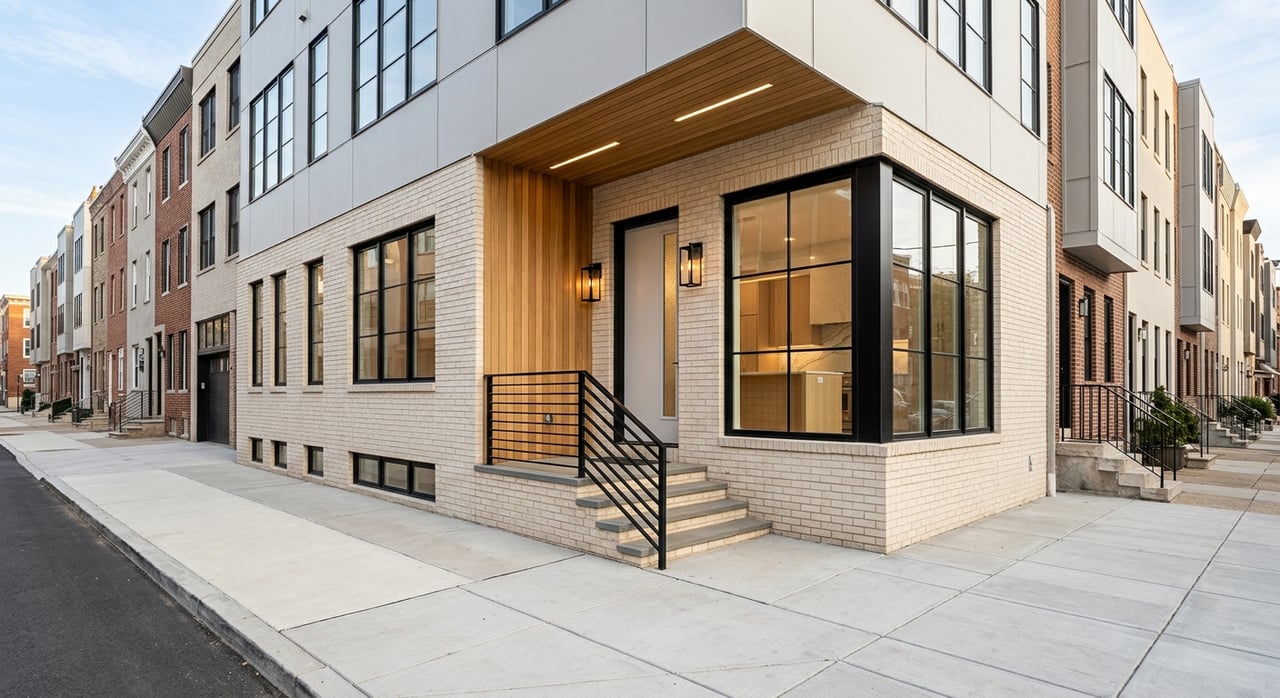
In South Side Flats, curb appeal has extra importance because many homes sit close to the sidewalk, have zero setbacks, and present their front facades directly to the street. The East Carson Street Historic District guidelines specifically note that front and primary facades are the most visible parts of these properties. That means buyers and passersby tend to notice the exterior immediately.
Visible exterior improvements can help your home feel better cared for before a showing even starts. The 2025 Remodeling Impact Report found that REALTORS most often recommended painting the entire home and installing new roofing before listing, while a new steel front door showed 100% cost recovery and a new fiberglass front door showed 80%. For a South Side Flats resale, small but visible exterior improvements can send a strong maintenance signal.
Check Historic Review Before Exterior Work
Before you order windows, paint crews, roof work, or facade repairs, confirm whether your address falls within a City-designated Historic District. In South Side Flats, the East Carson Street Historic District is specifically listed by the City, and exterior work in a designated district requires Historic Review Commission approval through OneStopPGH. Even modest exterior work can be affected.
This matters because sellers often assume simple replacements can move forward without extra review. The City notes that examples such as in-kind window replacement, in-kind roof replacement, and in-kind repair of exterior materials can still fall under historic review. If you skip this step, your renovation timeline and listing date can shift fast.
Start With the Lowest-Risk Updates
For most older South Side Flats homes, the smartest first spending category is the one buyers notice right away. The Remodeling Impact Report notes that consumers often remodel to upgrade worn-out surfaces, finishes, and materials, and 18% say they remodel because they expect to sell within two years. That supports a resale-first plan built around visible condition.
Start with updates like these:
- Fresh interior paint
- Deep cleaning
- Front door refresh or replacement
- Minor patching and trim repairs
- Updated light fixtures where needed
- Fresh caulk in kitchens and baths
- Hardware replacement on tired cabinets or doors
- Repair of visibly worn flooring
These projects usually help a home feel cleaner, brighter, and easier to trust. They also lower the risk of pouring money into a major remodel that may not improve your final result enough to justify the cost.
Renovate the Kitchen With Discipline
Kitchens matter to buyers, but that does not mean every South Side Flats seller should plan a luxury remodel. The 2025 Remodeling Impact Report shows strong interest in kitchen upgrades, and both kitchen upgrade and complete kitchen renovation received perfect Joy Scores. At the same time, the report’s cost-recovery chart places minor kitchen upgrades and complete kitchen renovations around the 60% range.
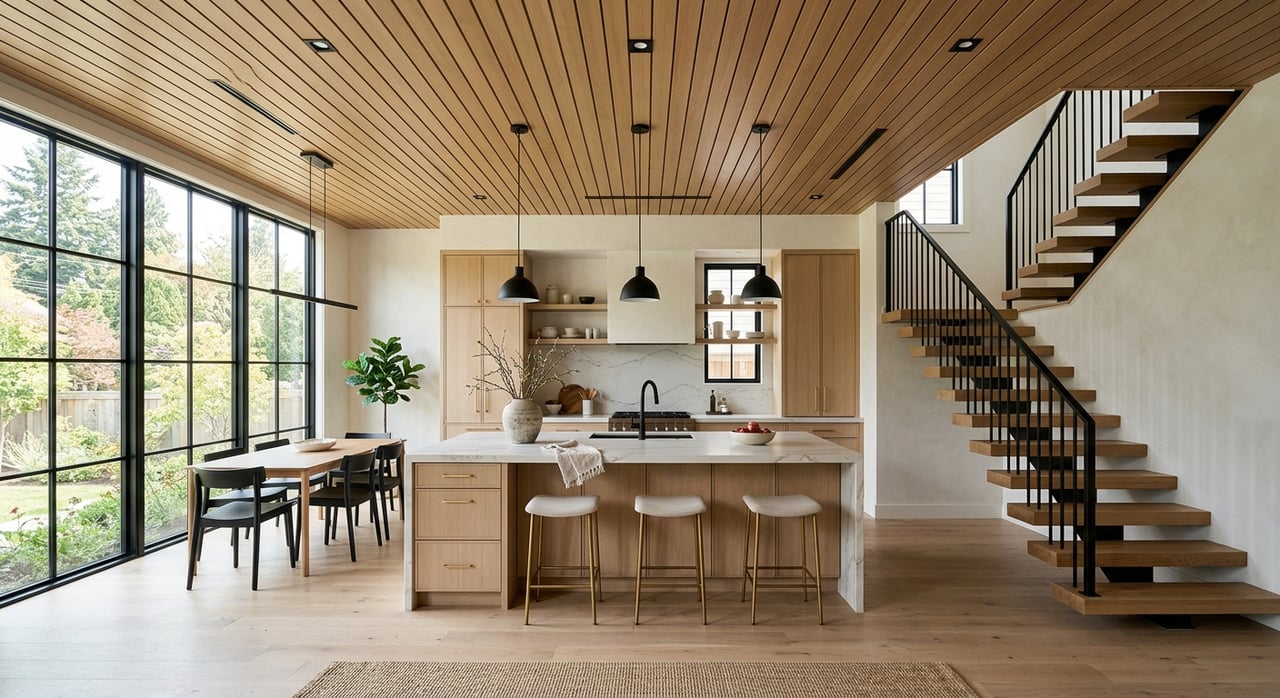
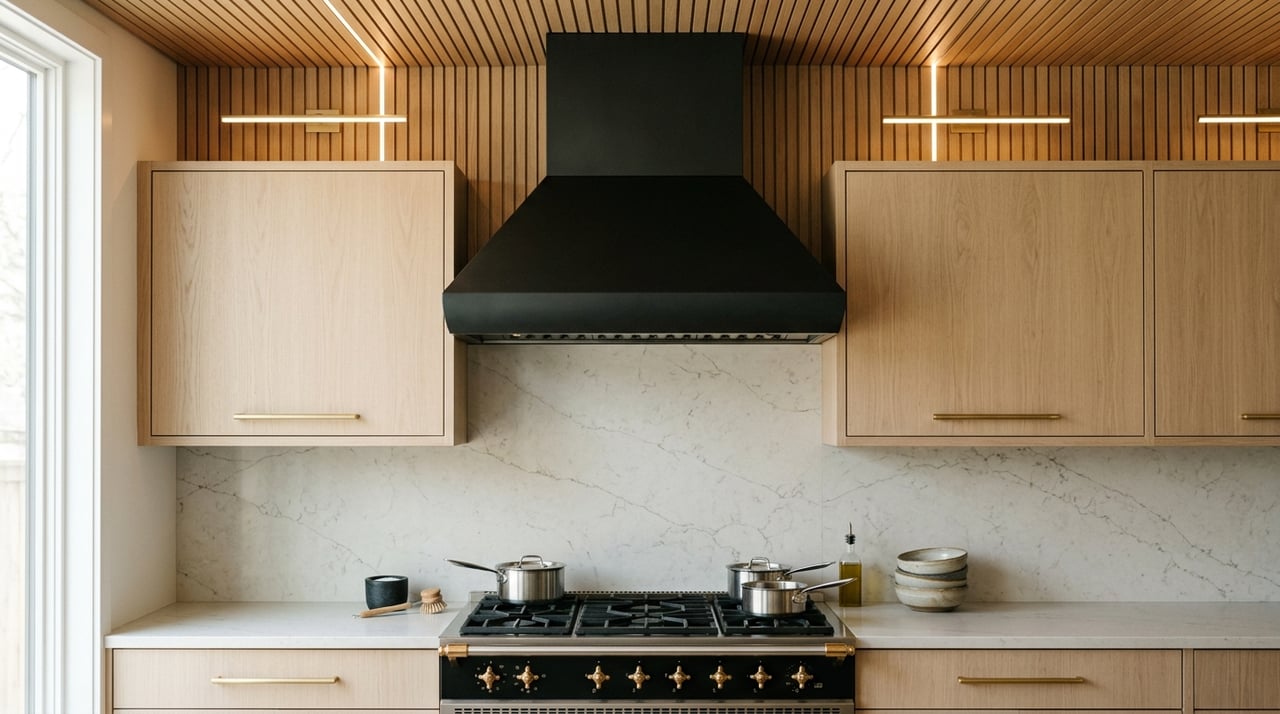
That is why a targeted kitchen refresh is often the better resale play. If the layout works, focus on what improves the look and function without triggering a full gut job. Painted cabinetry, updated hardware, better lighting, refreshed countertops, and new appliances where needed can often do more for marketability than a high-budget redesign that overshoots the likely buyer pool.
Update Bathrooms to Remove Objections
Bathrooms can help a home show well, but they are not always the best place for oversized spending. The same report shows bathroom renovation scoring highly on Joy and buyer demand, while cost recovery sits closer to 50%. In other words, bathroom work can help your home sell, but it may not pay you back dollar for dollar.
For resale, think clean, functional, and current. In many older homes, the best bathroom updates are straightforward:
- Clean or replace worn tile
- Install modern lighting
- Replace an outdated vanity
- Refresh mirrors and fixtures
- Re-caulk tubs and showers
- Make sure ventilation works properly
These updates help remove buyer hesitation. They also support the overall impression that the home has been maintained consistently.
Repair Floors Before Replacing Them
Flooring can shape a buyer’s impression of the whole house. New wood flooring scored strongly for homeowner satisfaction in the Remodeling Impact Report, but it was not among the top cost-recovery leaders. In an older South Side Flats home, that often points to refinishing, repairing, or unifying existing floors before choosing a full replacement.
Original or older flooring can add character when it is in presentable condition. If you can save and improve what is already there, you may preserve charm and control your budget at the same time. Replacement usually makes more sense only when the current floors are too damaged to show well.
Know What Usually Does Not Need a Permit
One reason cosmetic prep can be a smart first move is that many finish updates generally do not require a building permit or zoning approval in Pittsburgh. City permit-exemption guidance says painting, papering, tiling, carpeting, cabinets, countertops, and similar finish work usually fall into that category. For sellers, that can simplify planning.
Still, permit exemption does not automatically mean no other review applies. If the property is in a locally designated historic district, exterior painting and other exterior changes may still require a Certificate of Appropriateness. That is why it helps to separate interior cosmetic work from exterior work early in your planning.
Build a Simple Resale Priority Plan
If you are not sure where to spend first, use a three-tier approach.
Tier 1: Visible Condition Fixes
These are the lowest-risk, highest-visibility improvements. They often include paint, cleaning, small repairs, floor touch-ups, lighting updates, and front-entry improvements. For many South Side Flats homes, this is where the strongest resale momentum starts.
Tier 2: Kitchen and Bath Refreshes
Once the home looks clean and cared for, focus on dated but functional kitchens and bathrooms. A measured refresh can help photos, showings, and buyer confidence without pushing your renovation budget too far. The goal is to improve appeal, not to create a fully custom finish package.
Tier 3: Systems and Exterior Components
Roofing, windows, siding, and larger exterior repairs matter when they solve real condition issues. The Remodeling Impact Report shows roofing was one of the projects most often recommended before selling, and major exterior work can influence buyer confidence. In South Side Flats, though, these projects should be handled selectively and with careful attention to review requirements when a home falls within a historic district.
Avoid the Biggest Renovation Mistake
The most common resale mistake in an older neighborhood is renovating for personal taste instead of market readiness. South Side Flats has older, attached housing stock and a streetscape where the exterior and entry experience are highly visible. Buyers are often looking for a home that feels well-kept, practical, and move-in ready.
That means bold customization can be risky if it eats your budget and narrows appeal. Neutral finishes, durable materials, and a consistent level of upkeep usually create a better resale story. In many cases, the win is not making the home fancy. It is making the home feel solid, clean, and easy to say yes to.
Plan Around Timeline Risks
Older homes can surprise you, and exterior work can involve more review than sellers expect. The City’s permit process includes application, review, issuance, inspections, and completion, while some minor alterations may avoid review. Even so, if your listing timeline is tight, the safest move is to define the scope clearly before contractors start.
A smart planning sequence often looks like this:
- Confirm whether the property is in a designated historic district.
- Separate interior cosmetic work from exterior or structural work.
- Prioritize visible condition issues first.
- Price out kitchen and bath refreshes carefully.
- Reserve larger exterior work for true condition problems or sale-saving repairs.
That approach can help you protect both budget and timing. It also reduces the chance that a permit or historic-review issue disrupts your launch.
The Best South Side Flats Renovations Support the Sale
The best resale renovations in South Side Flats are usually the ones that make an older home look cared for, function smoothly, and show well from the street. Buyers notice clean finishes, working systems, refreshed kitchens and baths, and an exterior that feels maintained. They also notice when a renovation looks overbuilt for the home or inconsistent from room to room.
If you are preparing to sell, the goal is not to win a design contest. It is to create a home that photographs well, shows confidently, and makes buyers feel comfortable about both condition and value. That is where a focused renovation plan can make a real difference.
If you want practical guidance on which updates are worth doing before you list, Michele Leone can help you build a smart, neighborhood-specific plan for your South Side Flats sale.
FAQs
What renovations matter most for resale in South Side Flats?
- The strongest starting point is usually visible condition work like paint, cleaning, small repairs, flooring touch-ups, and front-entry improvements, followed by targeted kitchen and bathroom refreshes if those spaces look dated.
Do South Side Flats homes need historic approval for exterior work?
- Some do. If the property is in a City-designated Historic District, exterior work requires Historic Review Commission approval, so you should confirm whether the address falls within the East Carson Street Historic District before starting.
Do cosmetic renovations in Pittsburgh require a building permit?
- Many cosmetic interior updates usually do not require a building permit or zoning approval, including painting, papering, tiling, carpeting, cabinets, and countertops, though historic review can still apply to certain exterior work.
Should you fully remodel a kitchen before selling a South Side Flats home?
- Not always. Kitchen upgrades draw strong buyer interest, but cost recovery is more moderate, so a targeted refresh is often the better resale strategy unless comparable homes support a full renovation.
Is replacing flooring better than refinishing it in an older South Side Flats home?
- Often, no. In many older homes, repairing, refinishing, or unifying existing floors is the more practical resale move unless the floors are too damaged to present well.
What is the biggest renovation mistake before listing a South Side Flats property?
- A common mistake is overspending on personal or luxury upgrades instead of focusing on visible maintenance, functional updates, and the kinds of improvements that help the home show as clean, solid, and move-in ready.