Wondering whether a townhome in South Side Flats is the right fit for your next move? If you love the idea of walkability, riverfront access, and the energy of a classic Pittsburgh neighborhood, this area can offer a lot. At the same time, buying here often means sorting through older building stock, shared-wall ownership, and sometimes historic-district rules. This guide will help you understand what to look for before you buy. Let’s dive in.
South Side Flats at a Glance
South Side Flats is a river-adjacent Pittsburgh neighborhood with 7,185 residents and a median age of 28. It has a nearly even split between owner-occupied and renter-occupied housing, with 48.6% owner-occupied and 51.4% renter-occupied. That mix helps explain why the area feels active, urban, and varied in its housing options.
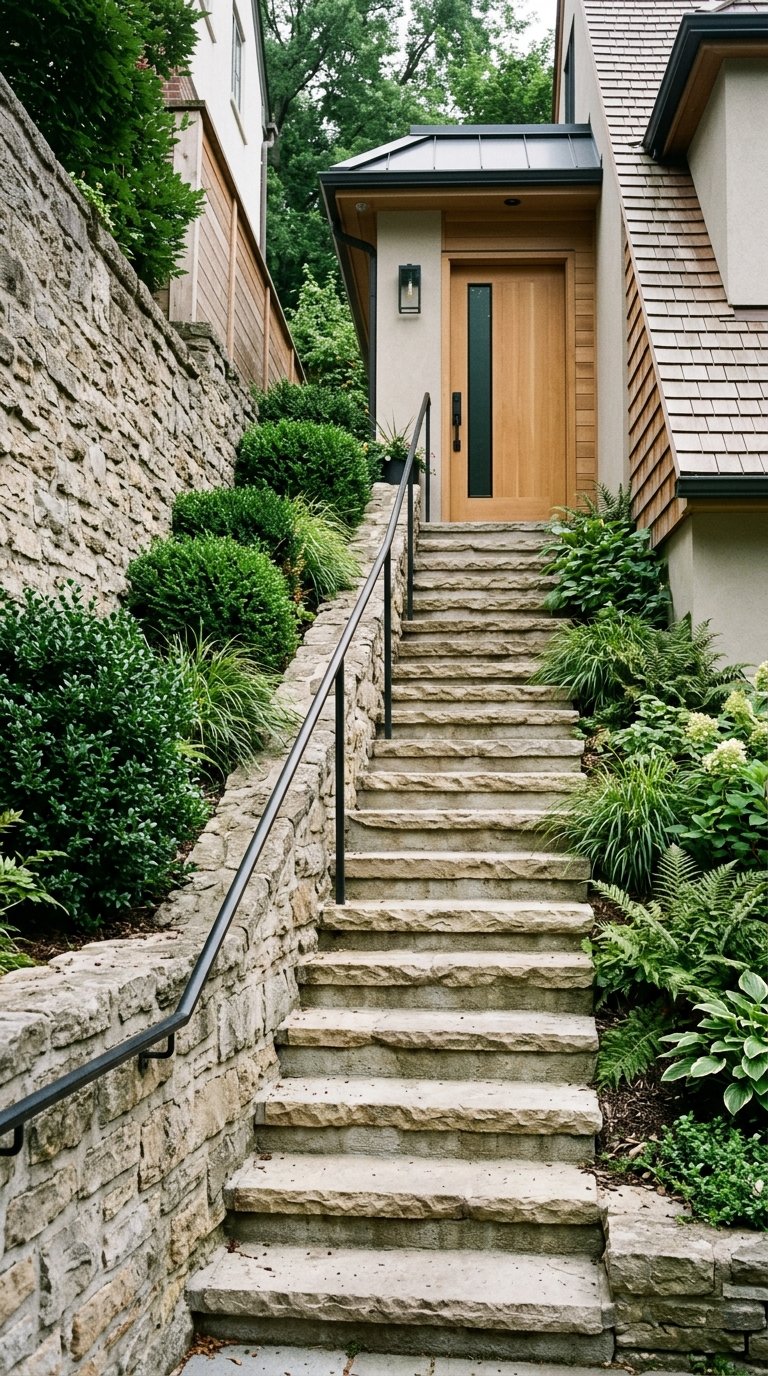
The neighborhood is also known for its strong amenities. City materials highlight riverfront access, the Three Rivers Heritage Trail, South Shore Riverfront Park, South Side Riverfront Park, Color Park, and city staircases. If you want a townhome that supports a walkable lifestyle with close access to parks and trails, South Side Flats stands out.
East Carson Street is a major part of the neighborhood’s identity. The City describes it as one of the longest Victorian main streets in the United States. For you as a buyer, that often means a lively setting with a lot of character, plus the tradeoffs that come with a denser urban environment.
Townhome Styles You May See
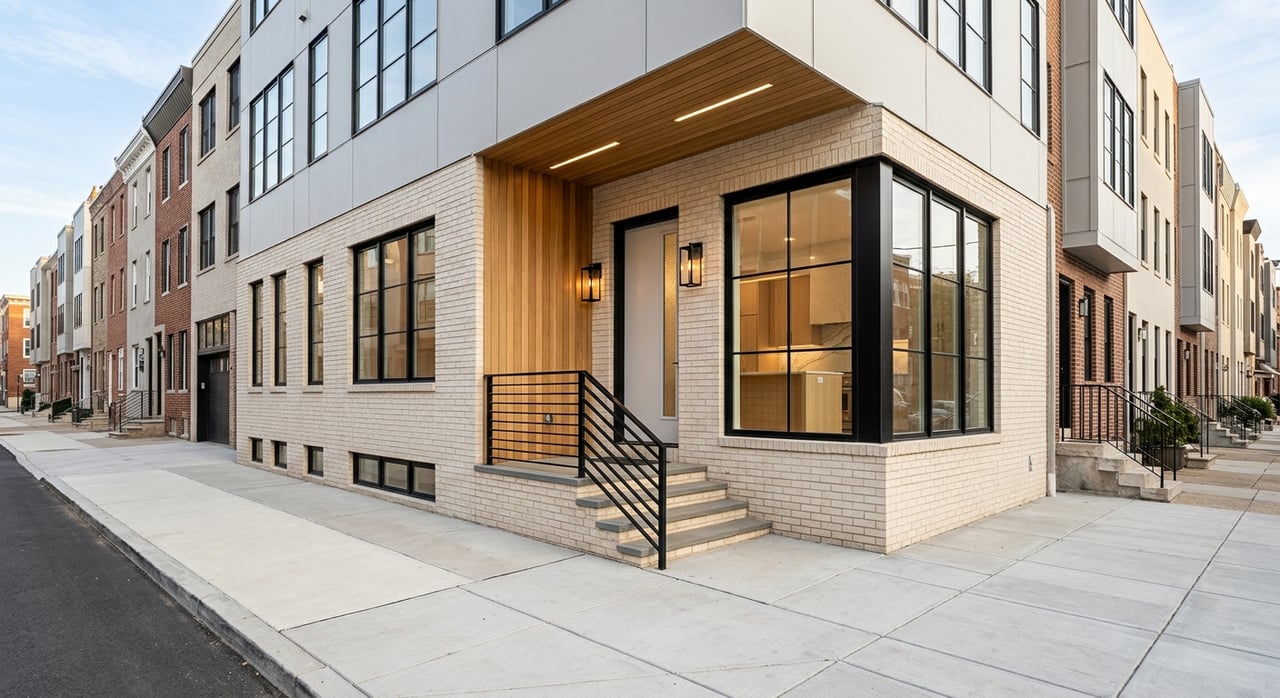
One of the first things to know is that South Side Flats does not offer one standard townhome style. You may see older attached brick rowhouses, updated rowhome interiors, and newer infill townhomes in the same general area. That variety can be a major plus, but it also means each property needs careful review.
City preservation materials note that South Side Flats includes some of the oldest architecture on the south side of the Monongahela River. Intact sections of brick rowhouses and dwellings remain, and the East Carson Street Historic District dates to the mid-19th century. Many attached homes here are older, more vertical, and more variable in layout than a typical suburban townhome.
You may also come across later-built townhomes. City housing reporting identifies Sarah Street Townhomes as a 30-unit affordable townhome development completed in 2000. In practical terms, that means the neighborhood includes both historic rowhouse-style homes and more recent townhome construction.
Why Layout Matters in South Side Flats
In many suburban communities, townhomes follow a more predictable floor plan. In South Side Flats, that is less likely. Older attached homes can have narrow footprints, multiple levels, and room layouts shaped by the original structure rather than modern expectations.
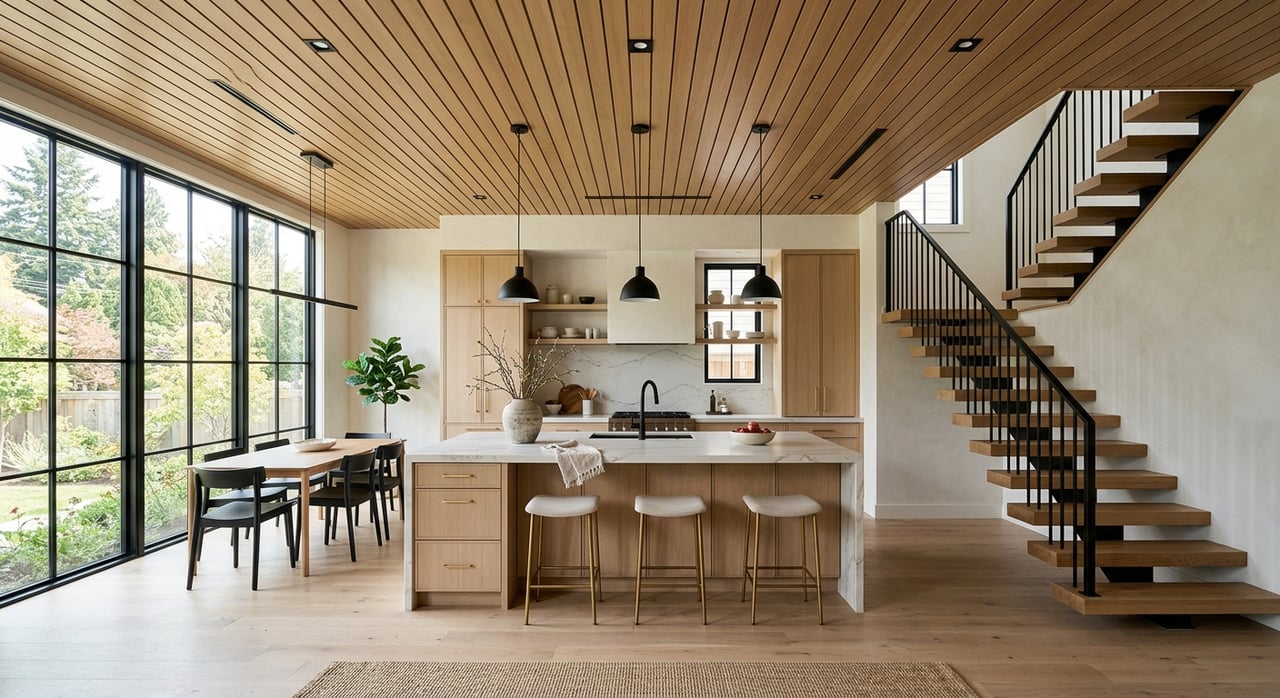
That does not make them less appealing. It just means you should pay close attention to how the home lives day to day. Think about stairs, storage, room size, and whether the layout matches your routine, especially if you are comparing a historic rowhouse to newer infill construction.
Know the Ownership Structure
Before you fall in love with finishes or location, confirm how the property is legally structured. A South Side Flats townhome may be part of a condominium, a planned community, or another ownership form. That distinction matters because Pennsylvania law treats these structures differently.
For planned communities with more than 12 units, Pennsylvania’s Uniform Planned Community Act creates association obligations. Pennsylvania condominium law separately governs how common element interests, voting rights, and common expense liabilities are allocated in the declaration. The key takeaway is simple: the legal documents define your rights and responsibilities more than the listing description does.
HOA Documents Deserve a Close Read
If the townhome is part of an association, the documents are not just paperwork. They tell you who maintains what, how costs are shared, and what rules apply after closing. In a shared-wall setting, those details can affect your monthly budget and your ability to make changes later.
Buyers should ask to review the declaration, bylaws, rules, current budget, and any special-assessment history before committing. Under Pennsylvania law, common expense liabilities are allocated in the declaration, and the declaration also governs how common elements and limited common elements are assigned. This is where you learn whether items like roofs, porches, patios, or balconies are your responsibility, the association’s responsibility, or some mix of both.
Common vs. Limited Common Elements
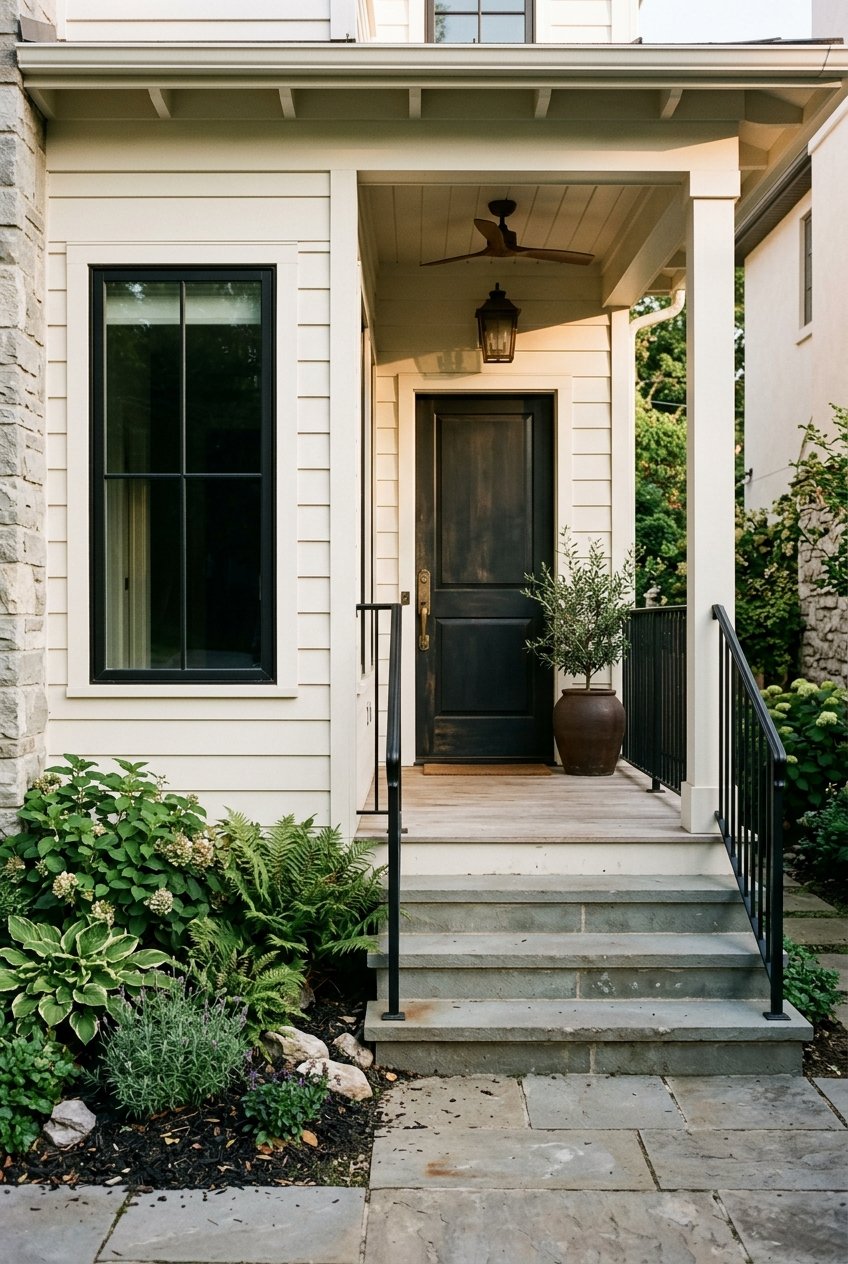
This is one of the most important details in any townhome purchase. Pennsylvania condominium law says limited common elements must be allocated to specific units in the declaration. The law also uses porches, balconies, and patios as examples when they are assigned that way.
Why does that matter to you? Because a space that feels private may still be governed by association rules or shared maintenance obligations. If you are counting on outdoor space, confirm exactly what you own, what you control, and what costs may come with it.
Historic District Rules Can Affect Exterior Changes
South Side Flats buyers should also check whether a home falls inside the East Carson Street Historic District or another local historic district boundary. If it does, visible exterior work may require review by the City. Approved work receives a Certificate of Appropriateness from the Historic Review Commission.
According to the City’s historic-district guidelines, exterior work visible from the public right-of-way must be reviewed. The framework can apply to existing buildings, additions, new construction, demolition, and common elements. In plain terms, a visible exterior project may be more regulated than an interior update.
If you are already thinking about replacing a railing, changing a facade detail, altering a porch, or adding onto the home, do not assume it is straightforward. Confirm whether the property is in the district and whether the planned work needs city approval.
Older Homes Need Different Due Diligence
Because South Side Flats includes older brick rowhouses and dwellings, you should expect to spend more time reviewing exterior condition, past alterations, and how the building has aged. Historic-guideline materials tell owners to consider character-defining features, prior changes, and the expected lifespan of proposed materials before starting work. That makes a careful property review especially important here.
This does not mean older townhomes are a bad bet. It means you should look more closely at masonry, facade details, and renovation history than you might in a newer townhome community. A home with great character can also come with more layers to understand before you buy.
Budget Beyond the Mortgage
It is easy to focus on purchase price and monthly mortgage payment. In South Side Flats, your true monthly cost may also include association fees, shared maintenance obligations, and local property taxes. Looking at the full picture can help you compare one townhome to another more accurately.
City materials show that Pittsburgh real estate taxes are based on assessed value and that the 2026 city millage rate is 9.67 mills. Allegheny County lists a county tax rate of 6.43, and qualifying owner-occupied properties may receive the Homestead/Farmstead Exclusion for county tax purposes. If you plan to occupy the home, it is worth verifying whether the property can qualify.
What Makes South Side Flats Appealing
For many buyers, the appeal is easy to understand. South Side Flats offers attached-home living in a neighborhood with strong access to riverfront amenities, trails, parks, and the East Carson corridor. That combination can be hard to replicate if you want both urban character and outdoor access.
The neighborhood’s housing mix can also create interesting options. You may find a historic rowhouse feel, a newer infill design, or something in between. If you value location and character, South Side Flats can offer a distinct alternative to more standardized townhome communities.
The Main Tradeoffs to Consider
Every neighborhood asks for some compromise, and South Side Flats is no exception. The same density and historic fabric that make the area appealing can also mean more document review, more variation from property to property, and more attention to exterior rules and shared responsibilities.
That is why the best approach is to stay curious and detailed. When you understand the ownership structure, the association documents, the possible historic-district overlay, and the full carrying cost, you can make a much more confident decision.
A Simple Buying Checklist
Before making an offer on a South Side Flats townhome, make sure you:
- Confirm whether the property is a condominium, planned community, or another ownership form
- Verify what counts as common elements and limited common elements
- Review the declaration, bylaws, rules, current budget, and any special-assessment history
- Check whether the home is inside the East Carson Street Historic District or another local historic district boundary
- Ask whether planned exterior changes would need Historic Review Commission approval
- Estimate city and county tax exposure early
- Verify whether the property may qualify for the Allegheny County Homestead/Farmstead Exclusion if it will be owner-occupied
Buying a townhome in South Side Flats can be a smart move if you want walkability, historic character, and close access to the riverfront. The key is doing the right homework before you commit. If you want local guidance on comparing South Side Flats townhomes, reviewing tradeoffs, and finding the right fit for your goals, Michele Leone can help.
FAQs
What types of townhomes can you find in South Side Flats?
- You may find historic brick rowhouse-style attached homes, updated older townhomes, and newer infill townhomes, so layouts, age, and features can vary a lot from one property to the next.
What should you review before buying a South Side Flats townhome?
- You should review the legal ownership structure, declaration, bylaws, rules, current HOA budget, special-assessment history, tax exposure, and whether the property is in a local historic district.
What do HOA documents mean for a South Side Flats townhome buyer?
- HOA or association documents help define who pays for shared costs, what parts of the property are maintained by the association or the owner, and what rules apply to the property after closing.
What are limited common elements in a South Side Flats townhome?
- Limited common elements are parts of the property allocated to specific units in the declaration, and they may include features like porches, balconies, or patios depending on how the documents are written.
What should you know about historic district rules in South Side Flats?
- If the townhome is in the East Carson Street Historic District or another local historic district, exterior work visible from the public right-of-way may require City review and approval.
How do property taxes affect the cost of a South Side Flats townhome?
- Your monthly housing cost is not just the mortgage payment because Pittsburgh city taxes, Allegheny County taxes, and any HOA fees or shared expenses can all affect the total cost of ownership.