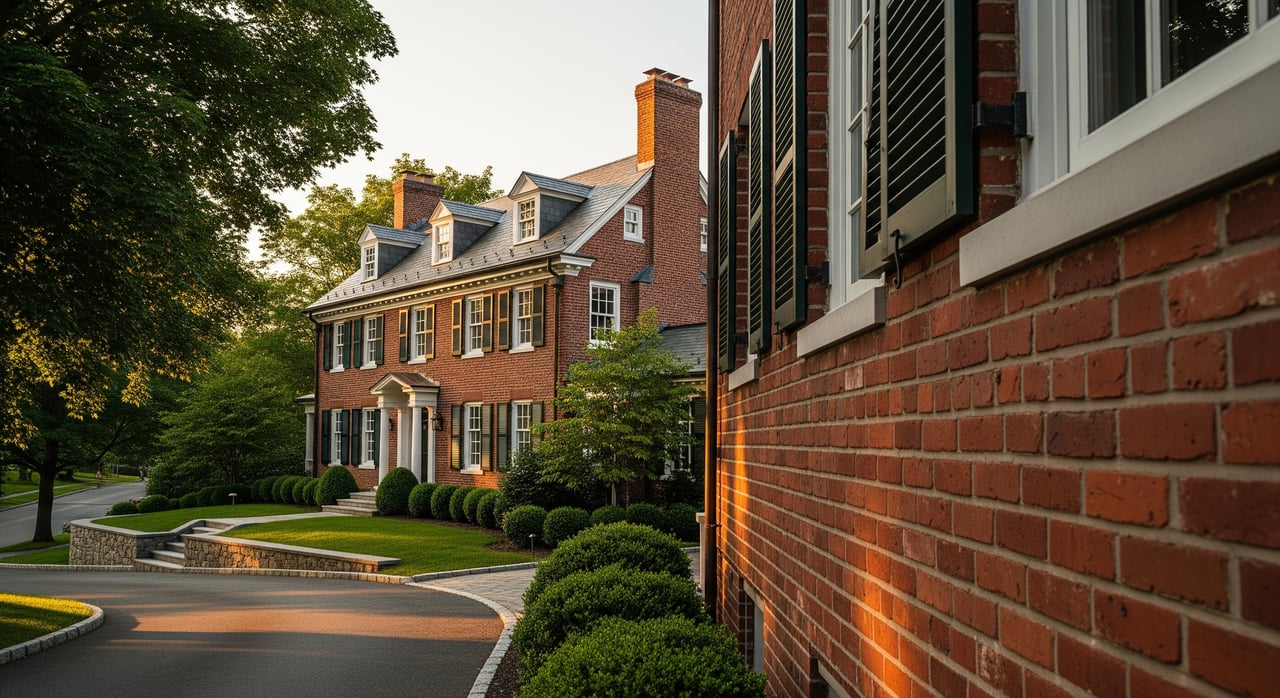
Is a brick home in Mount Lebanon on your radar, or are you getting yours ready to sell? Brick brings timeless curb appeal, but Pittsburgh’s weather can be tough on masonry. With freeze-thaw cycles, frequent rain, and older construction details, knowing what to expect helps you budget, plan, and negotiate with confidence. In this guide, you’ll learn the most common issues, how to spot them, and the smart fixes that keep brick homes safe, dry, and market-ready. Let’s dive in.
Mount Lebanon climate and brick
Mount Lebanon sits in the Pittsburgh region, where winters bring repeated freeze-thaw cycles and year-round moisture. When water gets into brick and mortar, it can freeze, expand, and cause surface loss or cracking. Roof runoff and poor flashing can make wetting worse, so drainage and details matter.
To understand the weather backdrop, review regional patterns with the National Weather Service Pittsburgh office for context on precipitation and temperature swings. This climate is the main reason masonry maintenance is a must-do in our area.
Brick types: veneer vs solid masonry
Older Mount Lebanon homes often feature one of two assemblies:
- Brick veneer over wood framing
- Solid masonry walls that carry the load
Why it matters: veneer systems rely heavily on proper flashing and drainage so the wood backup stays dry. Solid masonry manages moisture through the full wall thickness. Many pre-war homes used lime-rich mortar that is softer and more vapor-permeable than modern mixes. Matching mortar type during repairs protects the brick and preserves performance.
Mortar and repointing basics
Repointing replaces deteriorated mortar in the joints. Mortar usually fails before brick, and missing or soft joints let water in and shift loads.
Watch for:
- Crumbly or recessed joints
- Wide gaps or deep voids
- Mortar that powders when probed
Best practice: remove only deteriorated mortar to the proper depth, then install new mortar that matches compressive strength and permeability. Using mortar that is too hard can crack bricks and worsen damage. For preservation-minded guidance, see the National Park Service Preservation Briefs on repointing and masonry treatments.
Seller tip: localized repointing is common. If multiple elevations need work, expect higher costs and more scrutiny from buyers. Document repairs and mortar matching to build confidence.
Steel lintels at openings
Steel lintels support brick above windows and doors. When they corrode, they expand and damage surrounding masonry.
Signs of trouble:
- Rust stains above openings
- Bulging or cracked bricks directly over windows or doors
- Spalling of brick or mortar near the lintel line
Repairs may include removing courses of brick, replacing the lintel, and rebuilding the area. Because this is structural at openings, buyers often request evaluation or repair during inspections. The Brick Industry Association’s technical notes outline best practices for lintels and maintenance.
Sealers and coatings: choose breathable
Water repellents can help in targeted areas, but the product must allow vapor to escape. Silane or siloxane-based repellents are often used to reduce liquid water penetration without trapping moisture.
Avoid film-forming paints or impermeable coatings on brick. These can trap moisture, leading to spalling in our freeze-thaw climate. Only apply sealers after repairs are complete and the wall is dry. For background, the National Park Service Preservation Briefs discuss appropriate cleaning and water-repellent treatments for historic masonry.
Chimneys and flues
Chimneys are the most exposed masonry on a house and are common leak sources.
Inspect for:
- Cracked or deteriorated crowns
- Missing or damaged caps
- Failing mortar, leaning, or separation from the house
- Deteriorated or missing flue liners
- Rusted or open flashing at the roof connection
Repairs range from repointing and crown replacement to relining flues or rebuilding a leaning stack. If you plan to use a fireplace or have fuel-burning appliances venting through a chimney, schedule an evaluation with a CSIA-certified chimney professional. The Chimney Safety Institute of America provides homeowner guidance and a directory of certified sweeps.
Roof flashing and tie-ins
Roof-to-brick intersections need proper step flashing and counterflashing to keep water out. Parapets, dormers, and chimney junctions require careful detailing.
Common failure signs:
- Interior water stains near ceilings or walls
- Rusted or gapped flashing
- Open mortar joints near rooflines
Correcting flashing often means removing and resetting some mortar so counterflashing can be installed correctly. Shortcuts and surface-only fixes tend to re-fail. For building-science context on drainage planes and flashing strategy, review guidance from Building Science Corporation.
Cleaning, efflorescence, and spalling
Cleaning should be gentle and preservation-minded. Avoid aggressive power washing or abrasive blasting that can damage brick faces and mortar.
- Efflorescence: white salt deposits signal moisture movement through the wall. Address water entry first, then clean deposits.
- Spalling: flaking or surface loss from freeze-thaw or salt exposure. You may need selective brick replacement and repointing.
The National Park Service Preservation Briefs offer safe cleaning approaches that protect historic materials.
Inspection red flags that affect sales
These issues often impact safety, insurance, or lender approval and can lead to price concessions:
- Bulging or bowing walls, large cracks, or chimney separation
- Significant lintel corrosion with brick loss over openings
- Large areas of missing or soft mortar
- Active water intrusion, interior stains, or signs of mold/rot
- Deteriorated flue liners or unstable chimneys
- Missing or improperly installed roof flashings
If you see structural movement or a leaning chimney, bring in a structural engineer and a qualified masonry contractor before listing or finalizing an offer.
How to prioritize repairs as a seller
Focus on what protects the home and buyer confidence:
- Safety and code items: unstable chimneys, severe lintel failure, major wall movement.
- Water intrusion: roof and chimney flashings, gutters, and drainage.
- High-visibility deterioration: repointing street-facing elevations, replacing a missing cap, cleaning stains.
- Preventative measures: only after repairs and drying, consider breathable repellents in targeted areas and add features like gutter guards to reduce splash-back.
Document all work and materials. Buyers respond well to clear scopes, invoices, and reputable contractor names.
Buyer checklist for older brick homes
Use this quick list during showings and inspections:
- Identify construction type: brick veneer or solid masonry.
- Check mortar condition and look for rust stains above openings.
- Inspect roof-to-brick intersections and attic areas for signs of leaks.
- Ask for a chimney inspection report if fireplaces or chimneys are present.
- Get written estimates for major masonry items the seller will not address.
- Bring in a structural engineer if you see bulging, large cracks, or settlement.
Vetting contractors and understanding permits
Choose insured contractors with local references and relevant experience. For historic homes, ask about lime-based mortars and whether they conduct mortar analysis. Get a written scope that specifies materials, joint profiles, and acceptance standards. Be cautious of proposals that include abrasive cleaning, high-pressure washing, or impermeable coatings without testing.
Structural changes, chimney rebuilds, and significant flashing or roof work may require permits and inspections. Contact the Mount Lebanon Township building department before you start to confirm requirements, especially for gas appliances and flue connections.
What this means for your sale or purchase
Cosmetic issues like minor mortar loss can be manageable and may have a modest impact on price. Structural or leak-related problems can affect insurance, appraisals, and buyer confidence. Sellers who fix safety and water issues upfront usually see smoother transactions and fewer repair credits. Buyers who request targeted inspections and estimates can negotiate based on real scope and avoid surprises after closing.
If you’re preparing to list, start with a condition assessment and tackle safety and moisture first. If you’re buying, budget for chimney and lintel checks, and plan repointing as needed. With the right approach, Mount Lebanon’s classic brick homes deliver long-term value.
Ready for local insight on what to fix, what to negotiate, and what to skip? Reach out to Michele Leone for a no-pressure conversation and a plan tailored to your home. Learn more at Michele Leone.
Resources worth bookmarking
- Review climate patterns with the National Weather Service Pittsburgh office for regional context.
- Explore the National Park Service Preservation Briefs for repointing, cleaning, and water-repellent guidance.
- Consult Brick Industry Association technical notes on lintels, maintenance, and water management.
- Find a CSIA-certified chimney professional through the Chimney Safety Institute of America.
- Read building science guidance on drainage planes and flashing from Building Science Corporation.
FAQs
What should I look for first on a Mount Lebanon brick home?
- Start with mortar condition, rust stains above windows and doors, chimney crown and flashing, and any interior signs of leaks near roof-to-brick intersections.
How often do brick homes in Pittsburgh need repointing?
- It depends on exposure and mortar type; plan to evaluate joints every few years and repoint localized areas as needed rather than on a fixed schedule.
Are water sealers a good idea for brick exteriors?
- Use only breathable repellents in targeted areas and only after repairs and drying; avoid film-forming coatings that can trap moisture and cause spalling.
What chimney issues worry home inspectors most?
- Deteriorated or missing flue liners, cracked crowns, missing caps, leaning stacks, and failed flashing are common flags that can affect safety and insurance.
Do steel lintel problems mean structural failure?
- Corroded lintels damage brick above openings and can become a structural concern locally; have a qualified contractor assess and replace where needed.
Who should assess major masonry concerns before I list?
- Hire a qualified masonry contractor for scope and pricing; bring in a structural engineer for wall movement, severe lintel failures, or leaning chimneys.
What should buyers budget for with older brick homes?
- Typical line items include localized repointing, chimney evaluation or repairs, and flashing corrections; get written estimates during inspections to refine costs.