Are you eyeing a duplex in South Side Flats but unsure where to start? You can find steady renter demand here, yet returns and risks vary from block to block. In this guide, you’ll learn what rents and prices look like, how to think about cap rates, what renovations often cost, and which local rules to check before you buy. Let’s dive in.
Why South Side Flats works
Demand drivers you can count on
South Side Flats is dense and highly walkable, with a renter base that keeps small multifamily units in demand. The neighborhood’s population skews young, and about half of homes are renter occupied, according to the City’s neighborhood fact sheet. That balance supports consistent interest in 1 to 3 bedroom layouts for early-career professionals, hospital and office staff, and some university-affiliated renters. You also benefit from proximity to East Carson Street’s restaurants and retail, the river trail, and quick commutes to Downtown. (Neighborhood fact sheet)
Who rents and what they value
Most renters are early-career professionals who prioritize walkability, updated interiors, and convenience to work and amenities. Some households prefer quieter side streets over blocks near nightlife and will pay more for quality finishes and good maintenance. If you plan for turnover in roommate-style units and finish those spaces with durable materials, you can protect your cash flow. For longer-term tenants, invest in better kitchens and baths to support higher rents and lower turnover.
Parking and micro-location
Much of the Flats sits within Residential Permit Parking Area KK, which can affect on-street availability. Off-street parking can add value, but many renters will trade parking for a central, walkable location. Always confirm the specific RPP status and permit logistics for your address. (RPP map and info)
Rents, pricing, and returns
Market rents to underwrite
Published 1 bedroom listings in the neighborhood cluster from the low $1,300s to the high $1,900s, with newer or fully renovated options at the upper end. Actual rent depends on your exact layout, finish level, and proximity to East Carson Street or the river trail. When you underwrite, match your unit type and block with 1 to 3 recent listings and ask local property managers about concessions and typical lease terms. (Neighborhood rent tracker)
What duplexes sell for
Legal, renovated duplexes in the Flats often trade in the low to mid $300,000s, and boutique fully renovated examples can exceed $400,000. Values vary by condition, unit mix, and block. As a reference point, examples like a renovated duplex on South 22nd Street illustrate pricing in the high $300,000s range. Always pair comps with verified rent rolls to calculate implied caps. (Example duplex comp)
Cap rate expectations
Recent market commentary shows larger stabilized assets in Pittsburgh changing hands around the mid single digits for in-place cap rates. Small 2 to 4 unit buildings usually trade at higher caps because of buyer pool and perceived risk. In the Flats, a renovated, low-maintenance duplex with solid in-place rents can land near the mid single digits, while value-add or deferred-maintenance buildings tend to price for higher yields. Confirm with sold comps, then underwrite to a target cap band that fits your risk and renovation plan. (Market insight)
Quick underwriting rules of thumb
- Vacancy and collection loss: budget 5 to 8 percent.
- Operating expenses: plan for about 30 to 50 percent of effective gross income for small multifamily, adjusting for taxes and condition.
- Reserves and CapEx: set aside $250 to $600 per unit per year for routine reserves and add separate line items for roofs, masonry, boilers, or sewer work.
Renovations and building systems
What the housing stock looks like
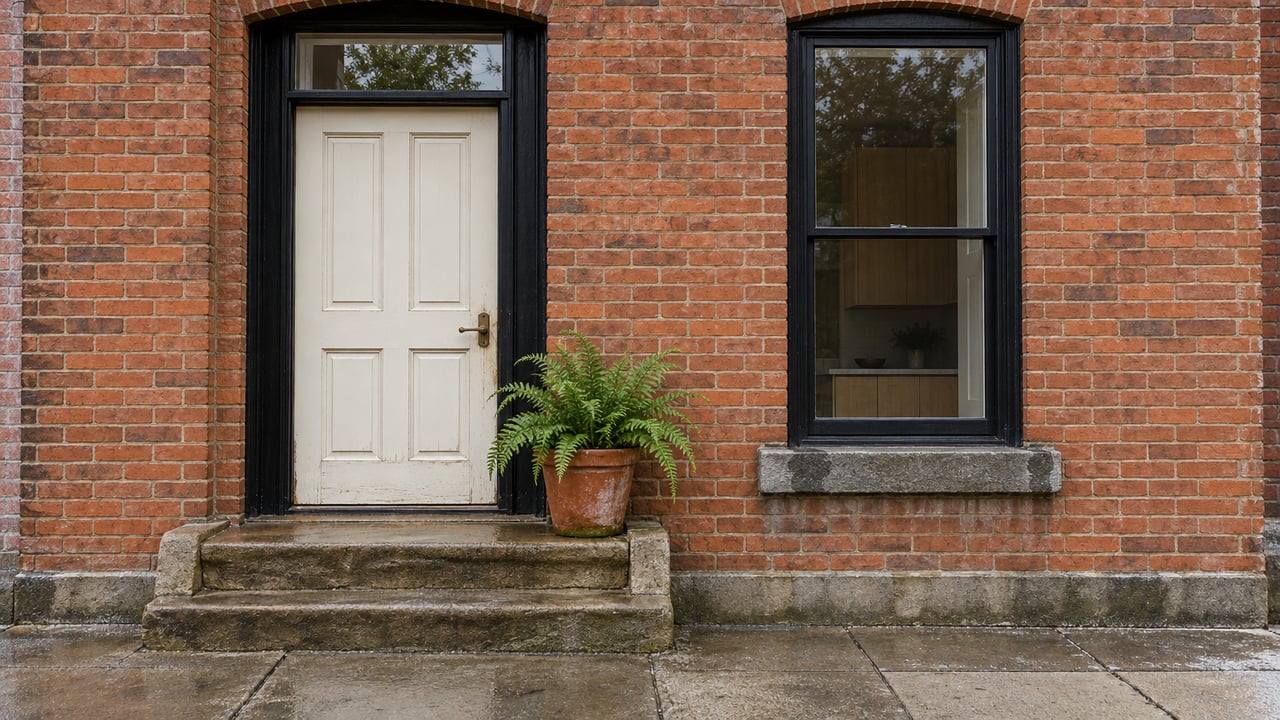
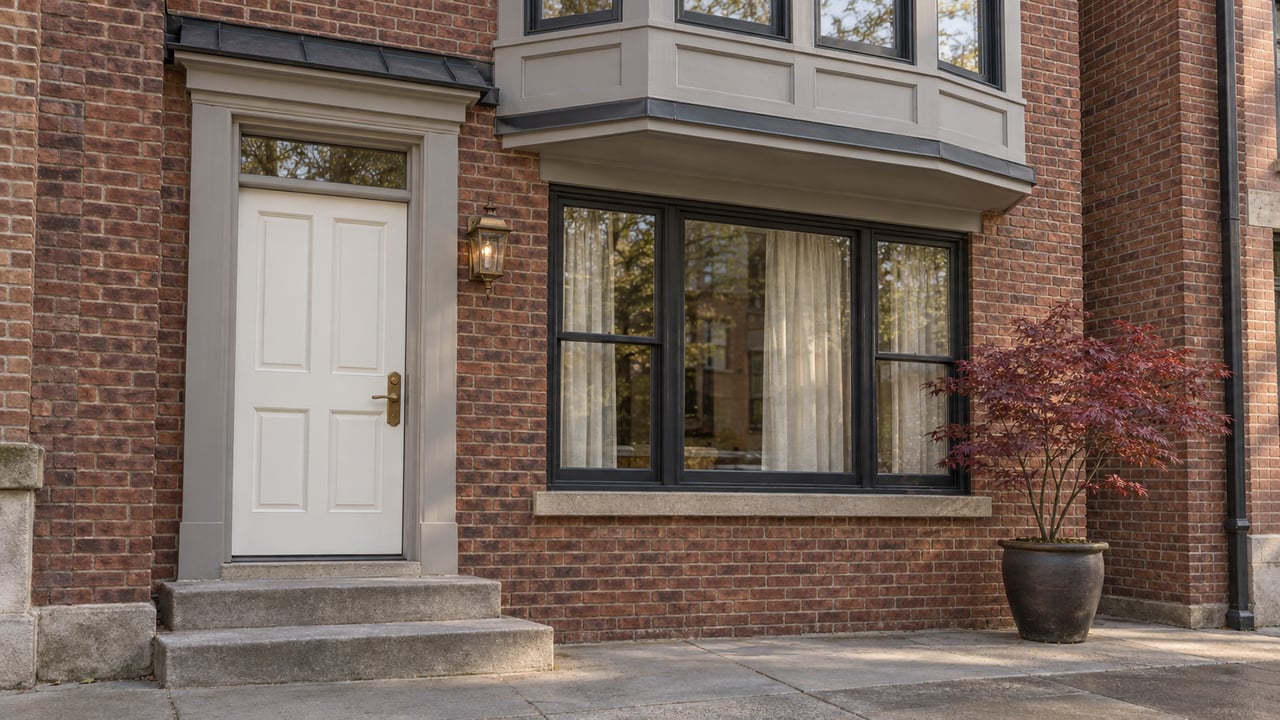
You will see late-19th and early-20th century brick rowhouses and mixed-use buildings, especially near East Carson Street. Portions of East Carson Street fall within a historic district, and exterior changes like window replacements, façade work, and some roofing may require review. Plan early if you intend to alter exteriors or storefronts above ground-floor retail. (Historic district context)
Systems that often drive costs
Older buildings in the Flats can have legacy electrical, cast iron stacks and sewers, and aging roofs or masonry. It is wise to order a sewer scope and electrical assessment early, then separate interior unit costs from building-wide systems. Boilers and steam heat may warrant replacement or targeted upgrades, and moisture mitigation is common in century-old basements.
Renovation cost ranges
- Light refresh: about $3,000 to $15,000 per unit for paint, flooring, and fixtures.
- Moderate rehab: about $20,000 to $60,000 per unit for kitchen and bath updates, windows, and partial systems.
- Full gut or major systems: $60,000 per unit and up for full rewires, new stacks, roofs, windows, new HVAC, and full interior rebuilds. These are ballpark ranges. Get at least two local bids and include a 10 to 20 percent contingency. (Renovation cost guidance)
Regulations to confirm early
Rental registration and inspections
Pittsburgh’s rental registration ordinance has been litigated, and enforcement has been limited at times. Do not assume automatic city inspections. Check the current status with the City’s permitting and licensing teams and verify what applies to your property before closing. (Background on court rulings)
Historic review on East Carson
If your building sits on or near East Carson Street within the designated historic area, exterior changes can trigger design review. Build that timeline into your renovation plan and coordinate your scope with preservation guidelines.
Residential permit parking
Confirm if your address is inside RPP Area KK and whether tenants will need permits. Parking rules can shape tenant expectations and the value of any off-street spaces. (RPP map and info)
Short-term rental considerations
Short-term rentals come with city registration and tax obligations, along with variable occupancy. If you plan to underwrite STR revenue, verify the current rules and typical occupancy for nearby listings, and weigh the added operational complexity.
Financing, insurance, and operations
Financing paths for 2 to 4 units
If you plan to occupy one unit, FHA and some conventional programs allow lower down payments on 2 to 4 unit properties. Pure investor loans often require 15 to 25 percent down or DSCR-style financing, with higher reserve requirements for 3 to 4 units. Speak with lenders who regularly finance small multifamily in Pittsburgh and confirm overlays early. (Program overview)
Insurance for older buildings
Carriers often price older systems at higher premiums and may require remediation to bind coverage. When you price policies, disclose electrical type, roof age, prior water claims, and heating systems, then budget for upgrades that can reduce premium over time.
A simple investor checklist
- Verify configuration and legality
- Confirm unit count, legal conversions, parcel boundaries, and current assessment.
- Pull prior permits and occupancy history.
- Build local comps
- Gather 6 to 12 small multifamily comps in the Flats. Include renovated and as-is.
- Convert each to an implied cap rate and compare to your target return.
- Validate rents
- Collect current leases, deposits, and a rent roll. Compare to 1 to 3 close-in listings for each unit type and layout.
- Order targeted inspections
- General home inspection plus sewer camera, roof, electrical, HVAC, and pest. Add lead-safe and asbestos testing where relevant for pre-1978 stock.
- Separate CapEx from turns
- Create separate budgets for unit interiors and building-wide systems like roof, sewer, and electric service. Include a 10 to 20 percent contingency.
- Check regulations
- Confirm rental registration requirements, RPP status, any open code violations, and whether historic review applies.
- Line up financing and insurance
- Get lender pre-qualification with DSCR, LTV, and reserve requirements. Obtain insurance quotes that reflect current systems and any required remediation.
- Plan a clean handoff
- Audit leases, plan tenant notices where allowed, schedule utility transfers, and set a 30 to 90 day maintenance plan post-close.
Ready to run numbers on a specific property or build a tight comp set for your target block? Partner with Michele Leone for local underwriting, renovation guidance, and a fast, professional path to a smart purchase in South Side Flats.
FAQs
What makes South Side Flats attractive for duplex investors?
- The neighborhood’s strong walkability, proximity to Downtown and hospitals, and an approximately even split between renters and owners create consistent demand for 1 to 3 bedroom units, according to the City’s fact sheet.
What are typical South Side Flats rents right now?
- Neighborhood-level 1 bedroom listings often range from the low $1,300s to the high $1,900s, with newer or fully renovated units commanding higher prices based on finish, layout, and location within the Flats.
How much do duplexes cost in South Side Flats?
- Renovated legal duplexes commonly sell in the low to mid $300,000s, and some boutique, fully updated buildings exceed $400,000, with values varying by block and condition.
What cap rate should I target on a renovated duplex?
- Expect mid single digit caps for renovated, low-maintenance duplexes with solid in-place rents, while value-add properties generally price for higher yields; confirm with local sold comps before you bid.
What local rules should I check before buying a rental?
- Confirm the status of the City’s rental registration and inspections, whether your address is in RPP Area KK, and if historic review applies for exterior work on or near East Carson Street; also verify any short-term rental registration and tax obligations.
Can I use low down payment financing for a duplex?
- Yes, if you will live in one unit, FHA and some conventional programs permit lower down payments on 2 to 4 unit properties, while investor-only loans typically require larger down payments and reserves.